Core Components
- Co-Created Virtual Forums: Six 90-minute facilitated forums shaped by attendee-identified priorities, ensuring content was relevant and responsive to real-world needs.
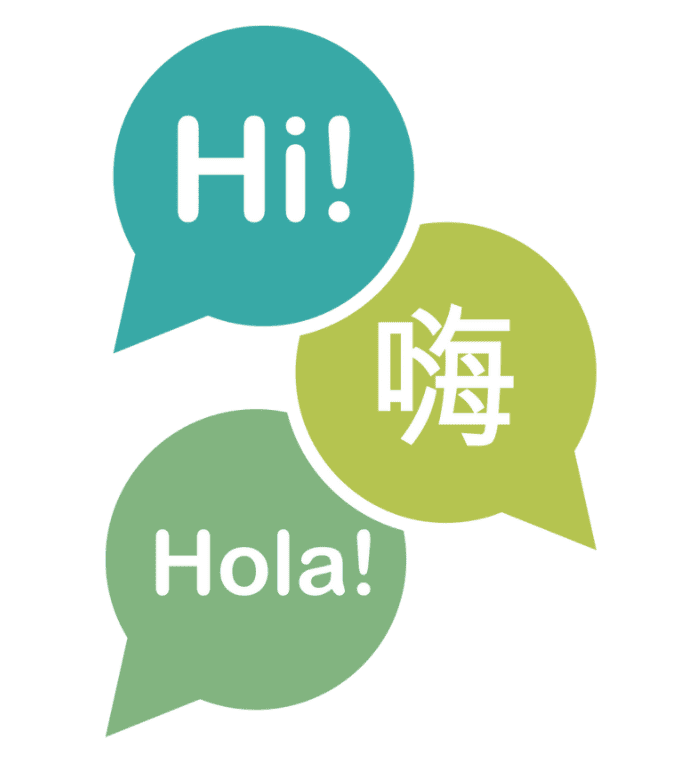
- Multilingual & Accessible Design: Spanish, Cantonese, and ASL interpretation were provided throughout the series, with intentional Zoom facilitation strategies to support meaningful participation.
- Subject Matter Expertise: Multicultural family advocates and professional interpreters served as compensated subject matter experts, grounding discussions in lived experience and technical knowledge.
- Systems-Focused Learning: Forums addressed policy, funding, tools, technology, and organizational practices needed to advance long-term language access and equity.
Outcomes & Impact
- Engaged a diverse group of providers and stakeholders from across Washington State.
- Strengthened provider knowledge and confidence around language access planning, interpreter use, and accessible communication.
- Modeled equitable facilitation practices in virtual settings.
- Elevated the voices and expertise of BIPOC families and community advocates.
- Reinforced a shift from short-term language access solutions toward long-term language justice.
Forum Topics
- Community Planning & Priorities
Introductions, shared agreements, updates on statewide language access legislation, and identification of priority topics for the series.
- Working with Interpreters
Tools and best practices for interpreter engagement, remote interpretation, and organizational self-assessment.
- Making Services Easier to Understand
Improving forms and materials through plain language and accessible design prior to translation.
- Funding Language Access Supports
Funding strategies, interagency perspectives, and addressing the digital divide.
- Technology Access
Culturally responsive use of technology, benefits and limitations of translation tools, and modeling humility in practice.
- Building Interpreter Networks
Interpreter systems, organizational language access planning, and statewide technical assistance resources.
Wise continues to build on the lessons from the Language Access Forums to support providers, systems, and communities in advancing equitable and accessible services across Washington State.
Interested in continuing or reimagining this work?